These are VMs running built with JavaScript/WASM allowing you to run an operating system within your browser, all client side.

Scott Elcomb psema4

SMUsamaShah
/ List of in-browser VMs.md
Last active
December 5, 2025 03:40
List of Javascript based virtual machines running in browser

HipHopHuman
/ incremental-game-loop.md
Last active
February 21, 2026 13:17
How to make a game loop for your idle game
So, you want to build an idle/incremental game in JavaScript and you’ve read on the internet that setInterval is the way to go when it comes to handling resources that automatically generate over time.
You get started, you write down your setInterval function, you set it to trigger once every 1000 milliseconds, and every time it triggers, you add 1 to the player’s total resource count. Perfect. It works.

cherscarlett
/ settings.json
Created
December 19, 2020 14:30
This file contains hidden or bidirectional Unicode text that may be interpreted or compiled differently than what appears below. To review, open the file in an editor that reveals hidden Unicode characters.
Learn more about bidirectional Unicode characters
| { | |
| "window.zoomLevel": 0, | |
| "diffEditor.ignoreTrimWhitespace": false, | |
| "editor.fontFamily": "Victor Mono", | |
| "editor.fontLigatures": true, | |
| "workbench.colorTheme": "SynthWave '84", | |
| "synthwave84.brightness": "1.5", | |
| "editor.tokenColorCustomizations": { | |
| "textMateRules": [ | |
| { |


mattdesl
/ prompt-1.txt
Last active
August 5, 2020 02:02
prompts for GPT3 / AIDungeon to generate Pantone Color of the Year 2021
This file contains hidden or bidirectional Unicode text that may be interpreted or compiled differently than what appears below. To review, open the file in an editor that reveals hidden Unicode characters.
Learn more about bidirectional Unicode characters
| Since 2000, the Pantone Color Institute has declared a particular color "Color of the Year". Twice a year the company hosts, in a European capital, a secret meeting of representatives from various nations' color standards groups. After two days of presentations and debate, they choose a color for the following year; for example, the color for summer 2013 was chosen in London in the spring of 2012. | |
| Below is a list of all the winning "Colors of the Year" and their corresponding hex codes, from the year 2000 to 2050. | |
| 2000 | |
| Cerulean | |
| #9BB7D4 | |
| 2001 | |
| Fuchsia Rose |

This file contains hidden or bidirectional Unicode text that may be interpreted or compiled differently than what appears below. To review, open the file in an editor that reveals hidden Unicode characters.
Learn more about bidirectional Unicode characters
| #!/usr/bin/awk -f | |
| # This program is a copy of guff, a plot device. https://github.com/silentbicycle/guff | |
| # My copy here is written in awk instead of C, has no compelling benefit. | |
| # Public domain. @thingskatedid | |
| # Run as awk -v x=xyz ... or env variables for stuff? | |
| # Assumptions: the data is evenly spaced along the x-axis | |
| # TODO: moving average |

This file contains hidden or bidirectional Unicode text that may be interpreted or compiled differently than what appears below. To review, open the file in an editor that reveals hidden Unicode characters.
Learn more about bidirectional Unicode characters
| <body style=margin:0> | |
| <canvas id=a> | |
| <script> | |
| // initialize 2D canvas (c) | |
| // initialize game state (s) | |
| // initialize keys states (u,r,d,l for directions, k for all the keyboard) | |
| c=a.getContext`2d`,k=[u=r=d=l=s=0] | |
| // (initialize your global variables here) |

raysan5
/ custom_game_engines_small_study.md
Last active
March 11, 2026 11:29
A small state-of-the-art study on custom engines
WARNING: Article moved to separate repo to allow users contributions: https://github.com/raysan5/custom_game_engines
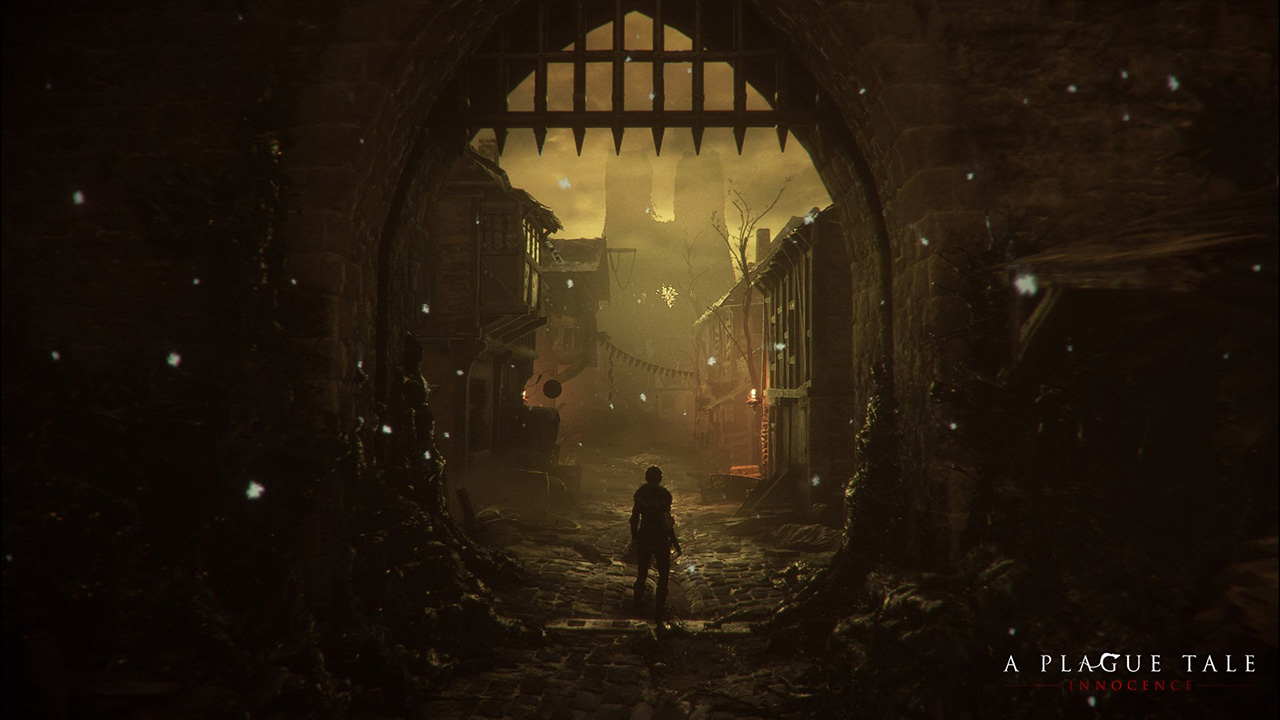
A couple of weeks ago I played (and finished) A Plague Tale, a game by Asobo Studio. I was really captivated by the game, not only by the beautiful graphics but also by the story and the locations in the game. I decided to investigate a bit about the game tech and I was surprised to see it was developed with a custom engine by a relatively small studio. I know there are some companies using custom engines but it's very difficult to find a detailed market study with that kind of information curated and updated. So this article.
Nowadays lots of companies choose engines like [Unreal](https:

tbranyen
/ events.js
Last active
May 10, 2024 14:54
Rethinking events using ES6 (https://tbranyen.com/events)
This file contains hidden or bidirectional Unicode text that may be interpreted or compiled differently than what appears below. To review, open the file in an editor that reveals hidden Unicode characters.
Learn more about bidirectional Unicode characters
| const bus = {}; | |
| const get = e => (bus[e] = bus[e] || new Set()); | |
| export const listeners = new Proxy(bus, { get }); | |
| export const emit = (e, ...args) => listeners[e].forEach(fn => fn(...args)); |

This file contains hidden or bidirectional Unicode text that may be interpreted or compiled differently than what appears below. To review, open the file in an editor that reveals hidden Unicode characters.
Learn more about bidirectional Unicode characters
| // Create an express app | |
| const express = require('express'); | |
| const app = express(); | |
| // Tell it to use Neo4j middleware | |
| app.use(require('./neo4j')); | |
| // Example Route | |
| app.get('/', (req, res) => { | |
| // Create Driver session |
NewerOlder