
Blogs to quick learn
https://quantumai.google/learn/map
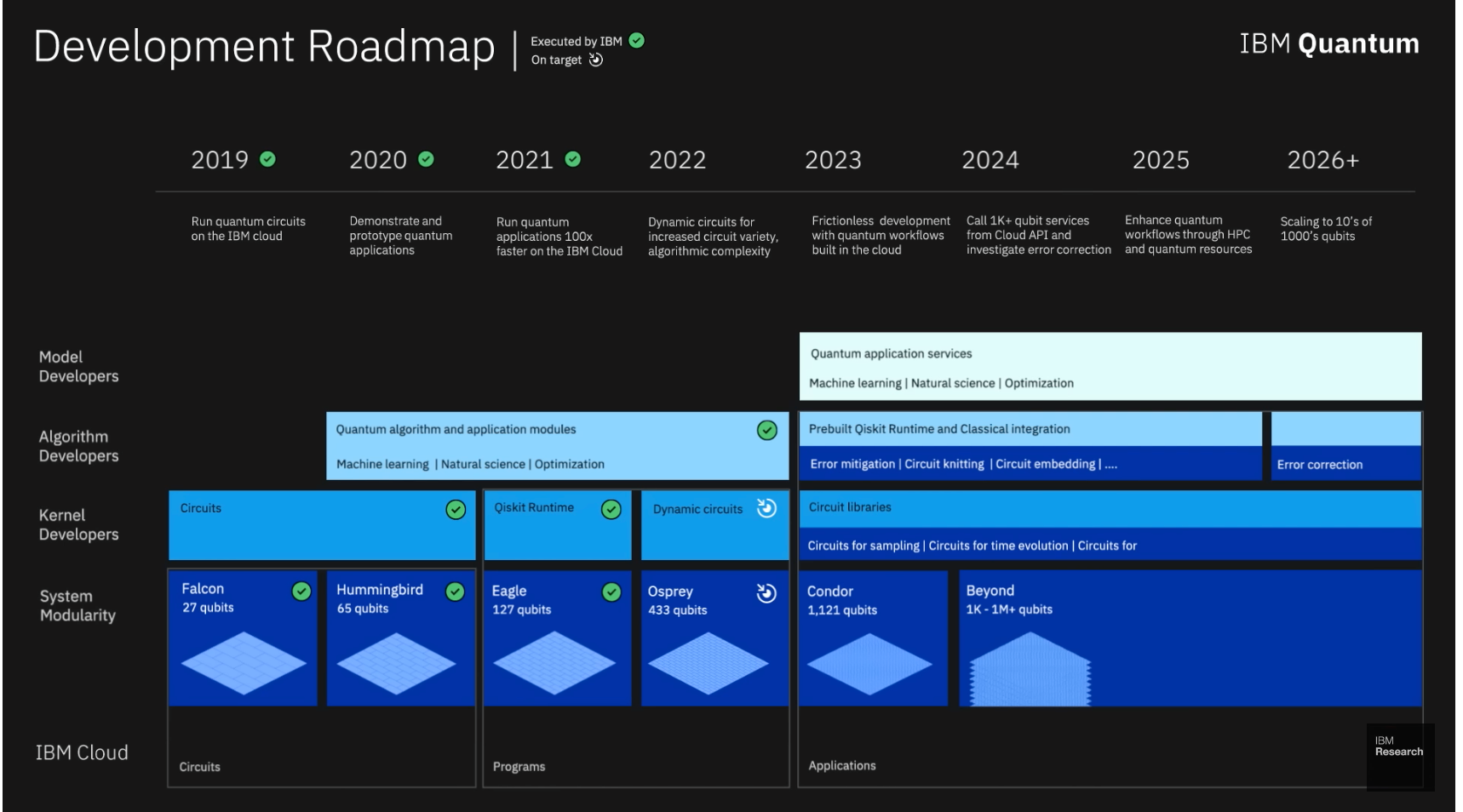
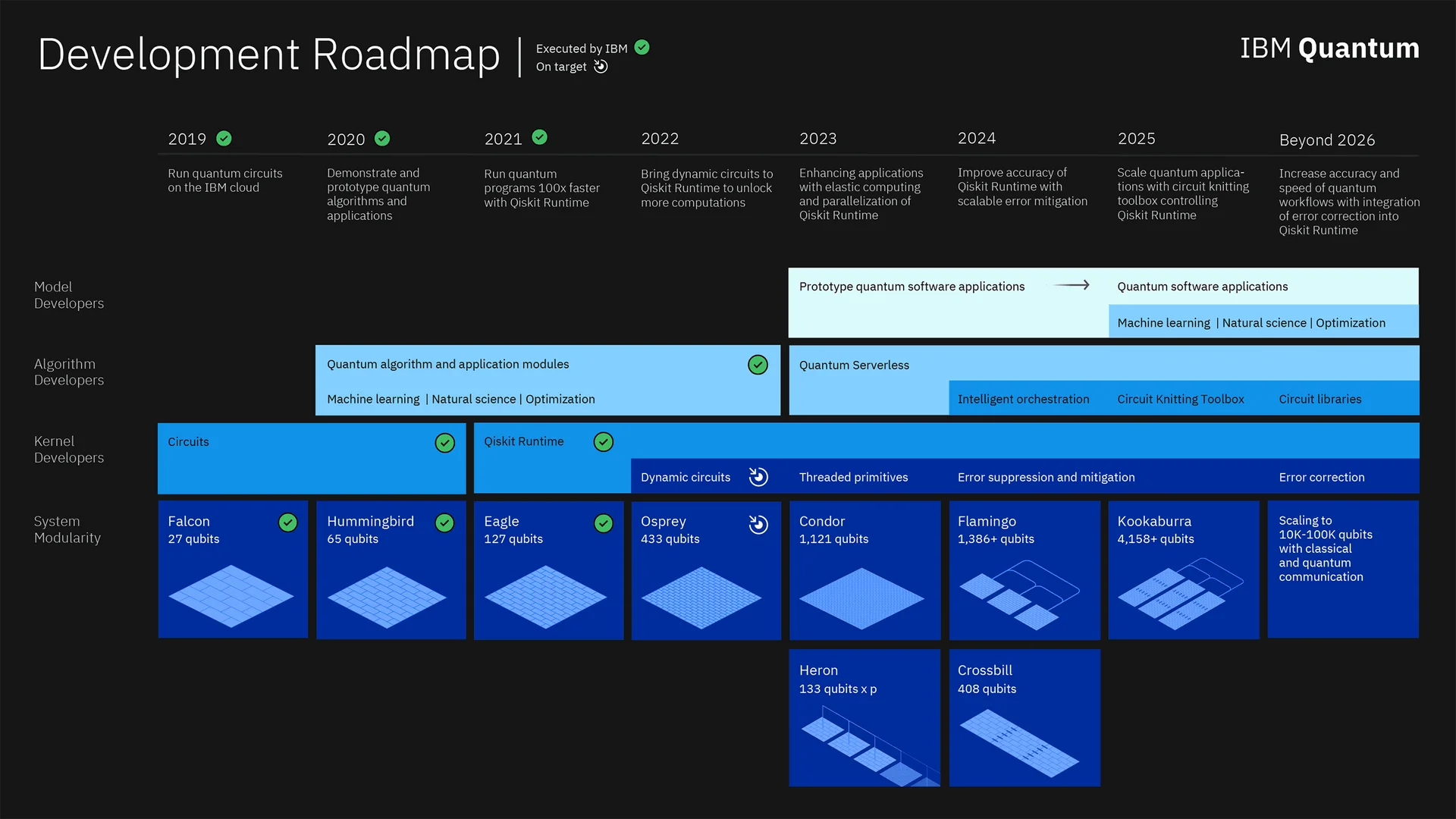
- Add dynamic circuits that allow feedback and feedforward of quantum measurements to change or steer the course of future operations.
- Bring threads to the Qiskit Runtime
- Circuit knitting
"But we don’t plan to realize large-scale quantum computers on a giant chip. Instead, we’re developing ways to link processors together into a modular system capable of scaling without physics limitations."
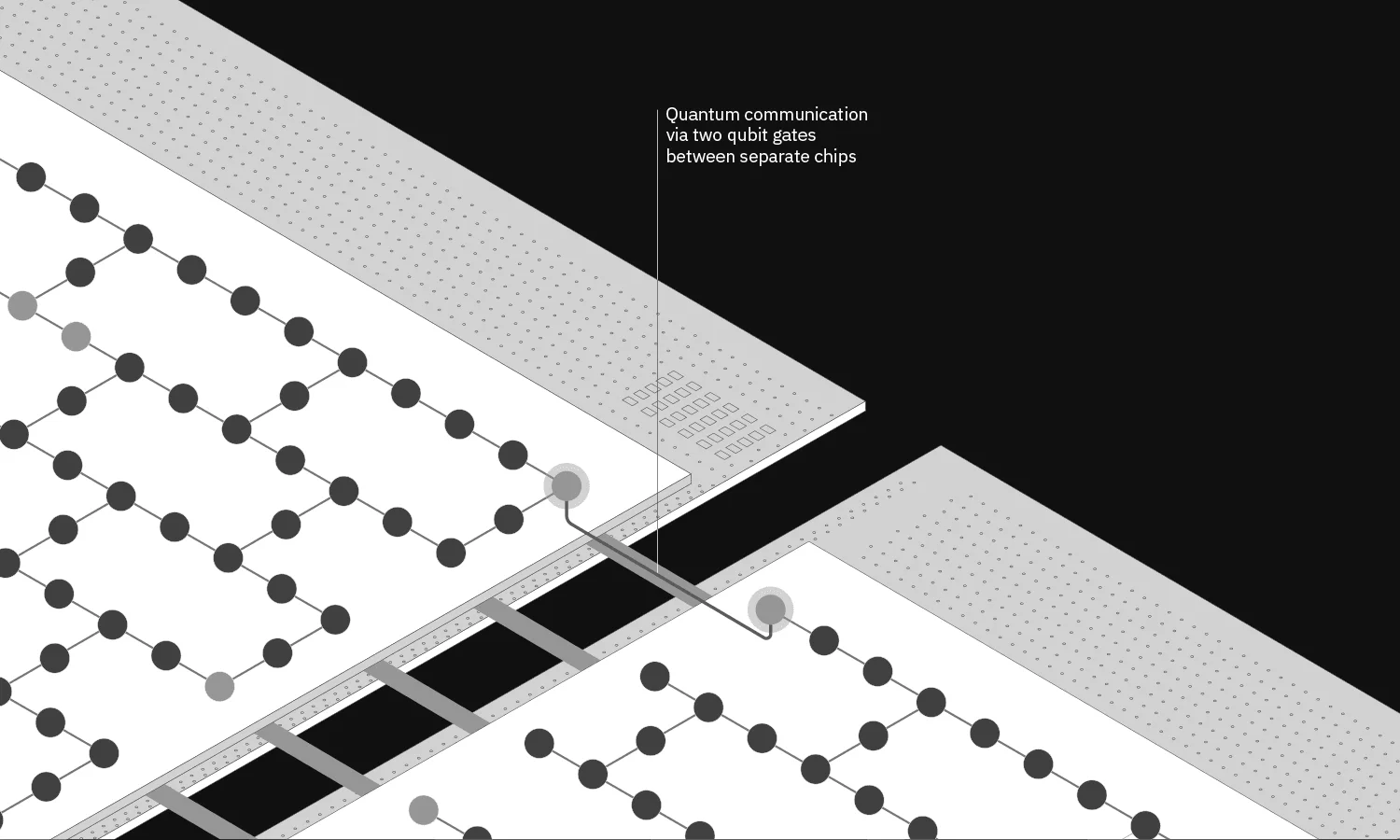
"Pushing modularity in both our software and our hardware will be key to achieving scales well ahead of our competitors, and we’re excited to deliver it to you."
https://spectrum.ieee.org/ibm-quantum-computer-osprey
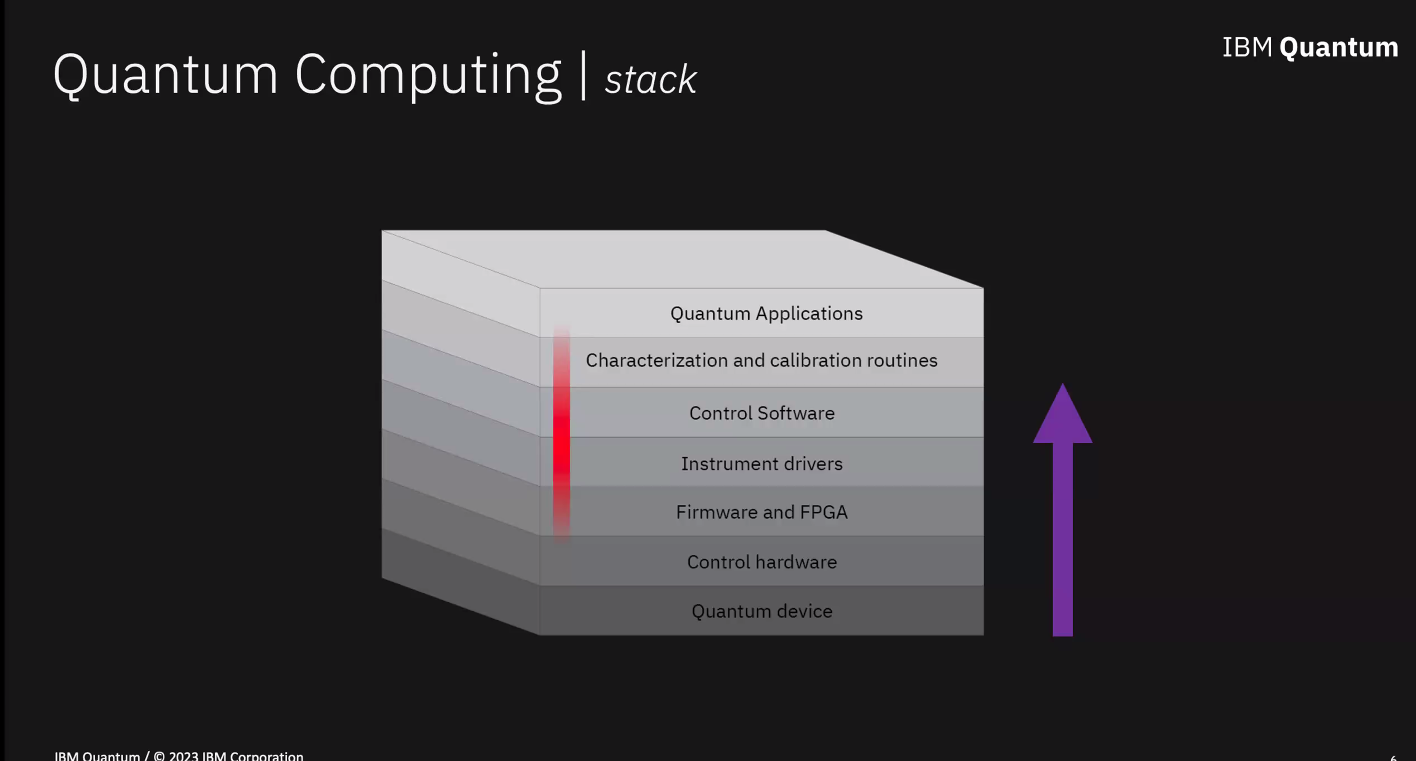
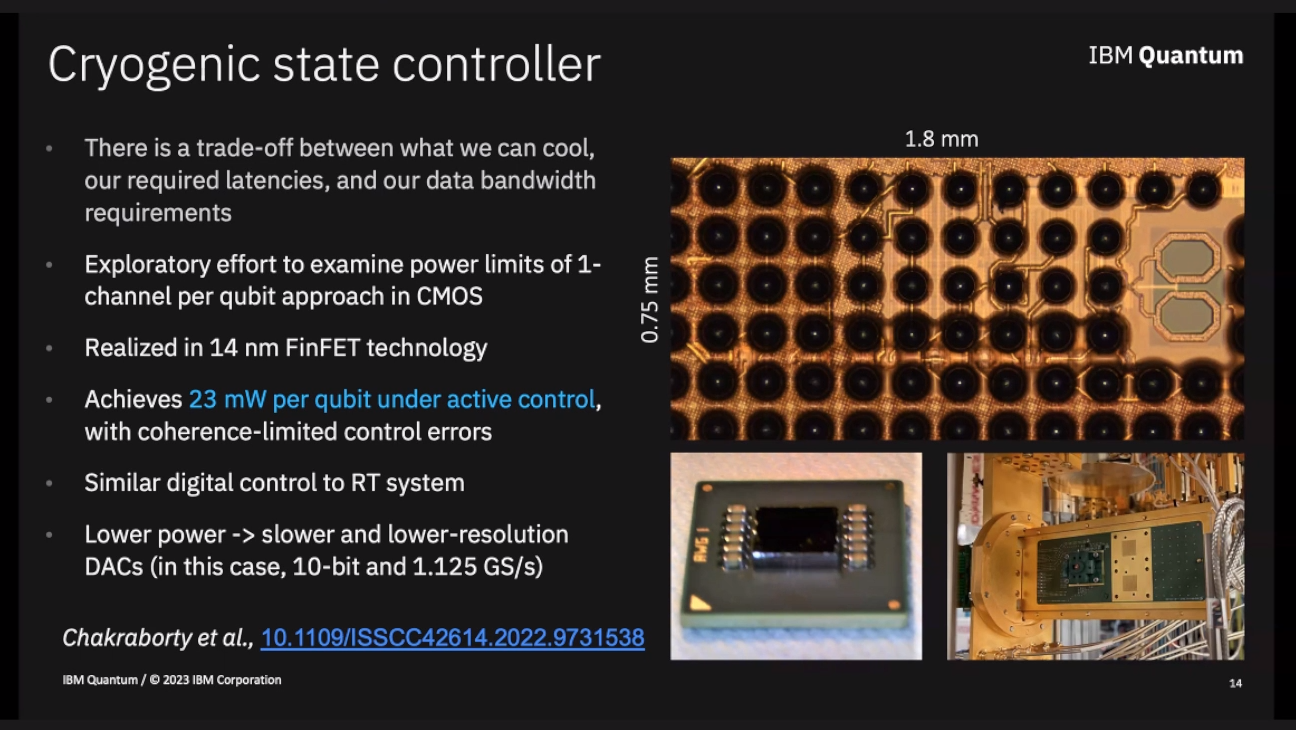
- Cryo-CMOS controller chip using 14-nm FinFET technology. FPGA ==> ASIC
- Microwave cables ==> flexible ribbon cables
Key Insights
- We have ample evidence that, with tools such as circuit knitting, we can enhance the reach of quantum computation, and new quantum algorithms are emerging that make use of multiple quantum circuits, potentially in parallel and with concurrent classical operations. It is clear that a heterogeneous computing architecture consisting of scalable and parallel circuit execution and advanced classical computation is required.
- IBM Quantum System Two is the modular-architecture quantum computing platform that we will use to realize parallel circuit executions for quantum-centric supercomputing.
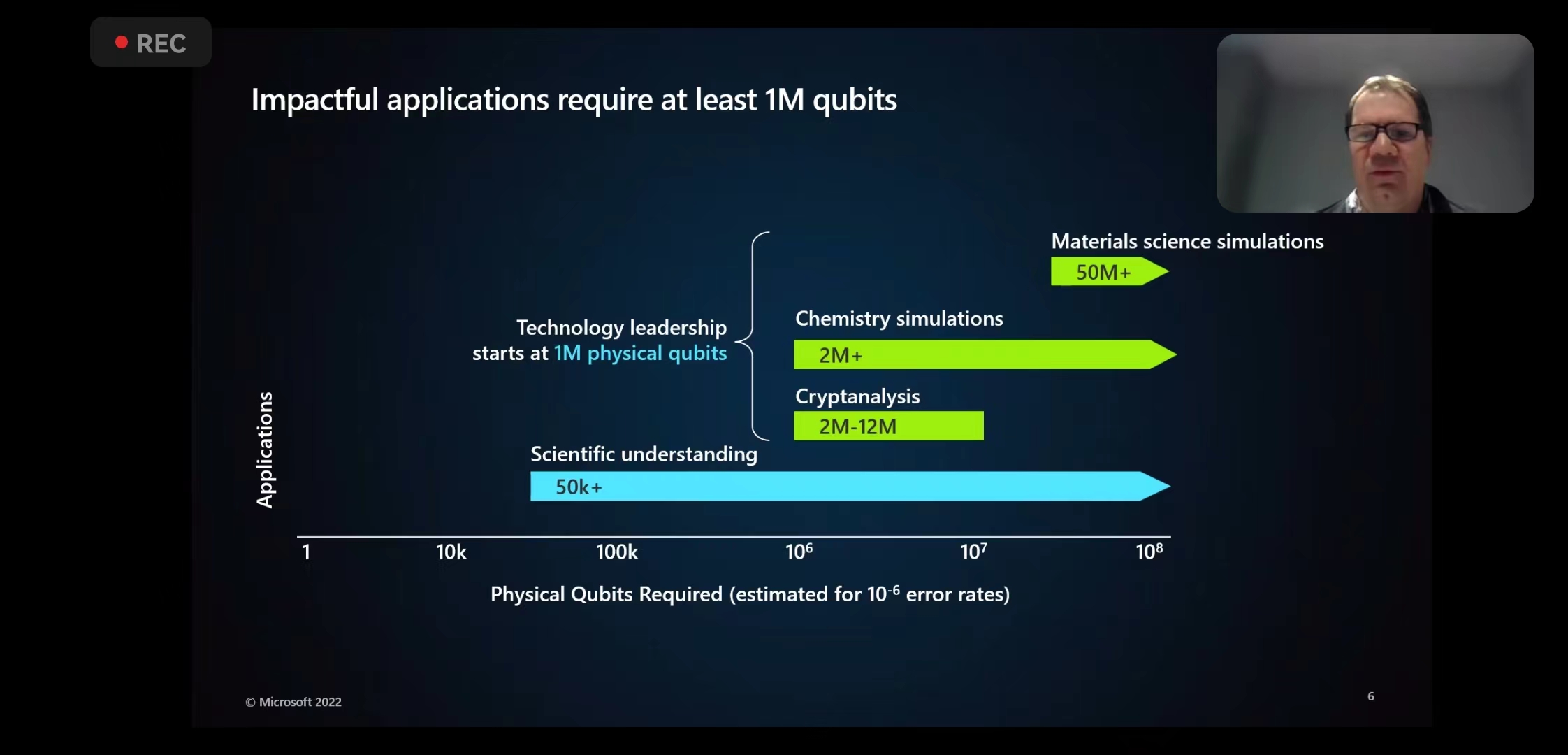
https://quantum.microsoft.com/en-us/our-story/quantum-roadmap
https://github.com/Hanrui-Wang/quantum-computer-systems-lectures
Yongshan Ding
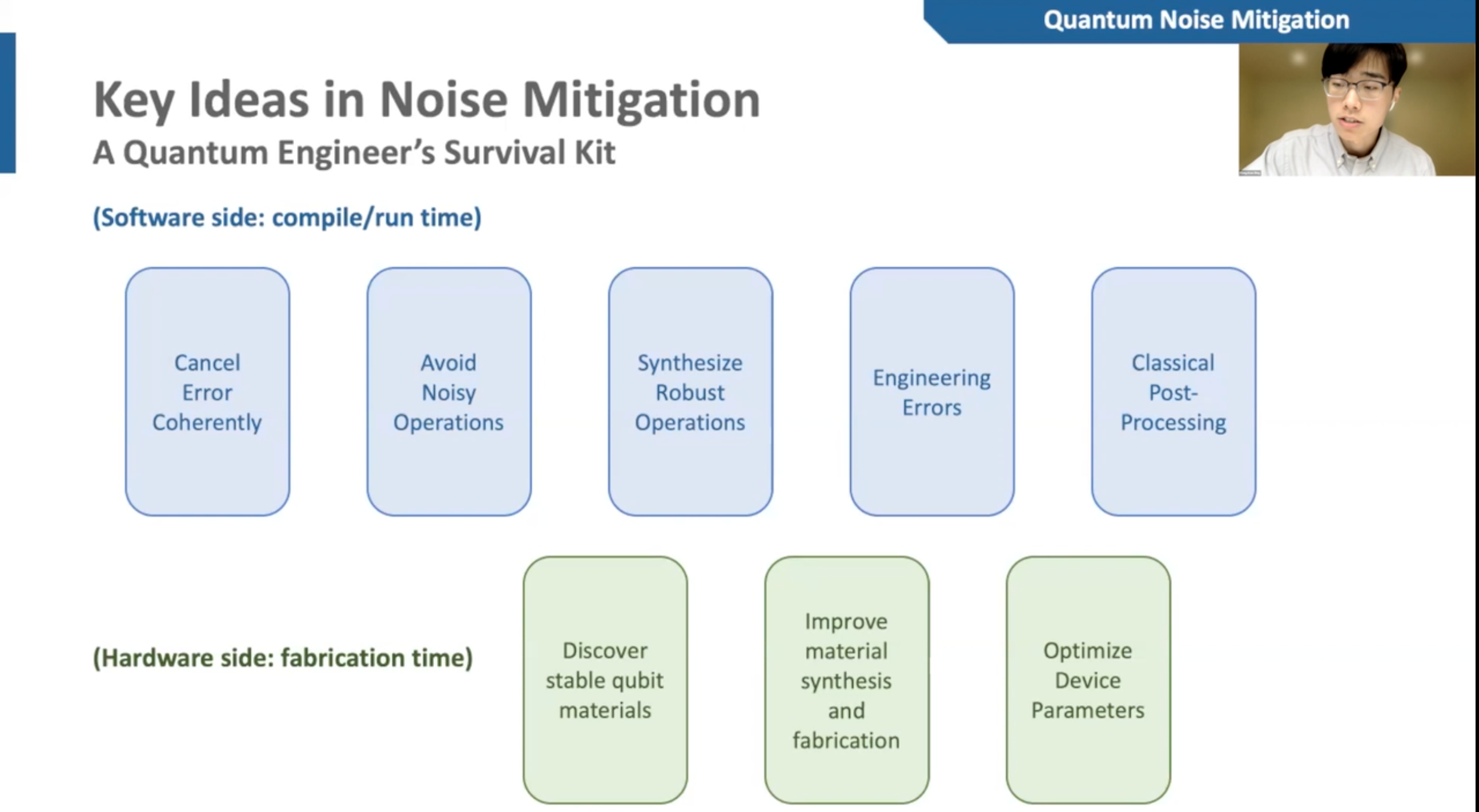
- Inverse the Errors
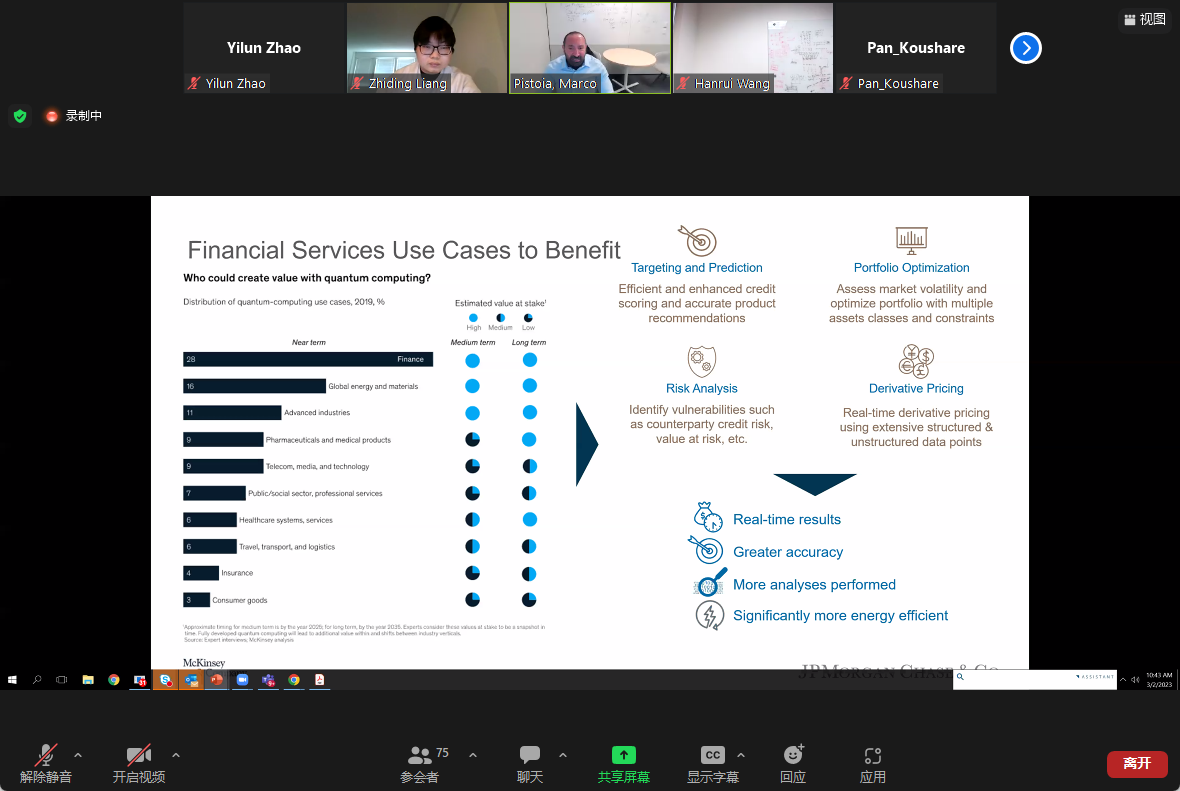
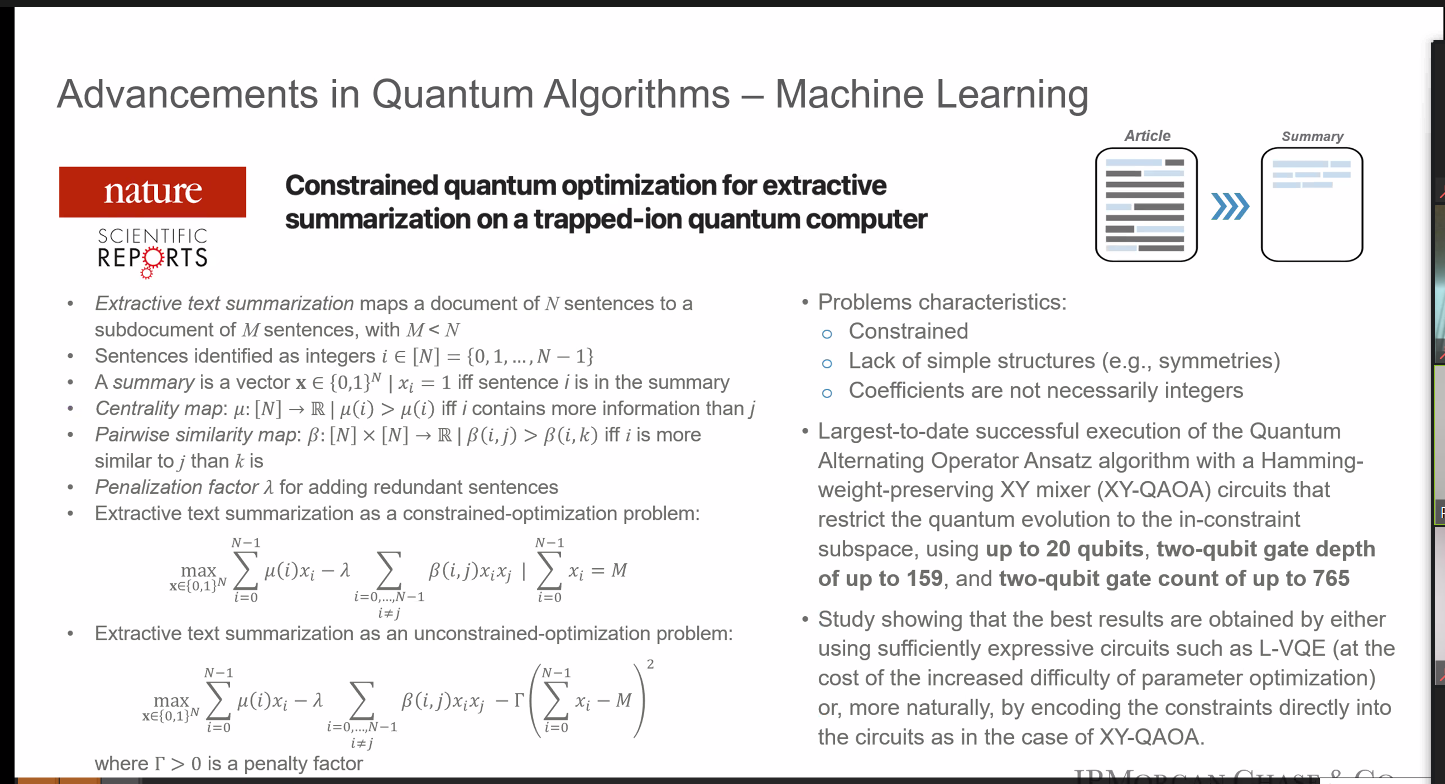
JPMorgan
- Real-time results.


Here is a summary of the main challenges in quantum hardware technologies and architectures mentioned in the paper:
-
State preparation, especially loading quantum states encoding classical probability distributions. Native multi-controlled gates could potentially reduce the complexity of state preparation.
-
Variational quantum algorithms may benefit from access to native multi-qubit gates. This is especially relevant for solving higher-order combinatorial optimization problems.
-
The paper points out fundamental limitations in current quantum memory technologies for realizing large-scale, low-cost passive error-corrected quantum memories. Thus, new quantum memory architectures are likely needed to overcome these limitations.
-
The gate operation rate of current quantum hardware is much slower compared to classical computers, which also limits the practical usability of many quantum algorithms. Improving the gate operation speed in quantum computers would reduce the overhead in quantum algorithms, thereby potentially enabling quantum advantage on a wider range of problem sizes.
-
Current quantum error correction techniques introduce significant additional overhead that may negate certain quantum speedups for finance. Thus, continued research into improving error correction and quantum architectures is also critical for realizing commercial applications of quantum computing in finance.
Here is a summary of the key points of this review article on Quantum Random Access Memory (QRAM):
-
QRAM can be categorized into active and passive types. Active QRAM requires external intervention for each access, resulting in costs that scale at least linearly with memory size. Passive QRAM requires sublinear interventions.
-
Passive QRAM needs to evolve independently, so it must be described by a time-independent Hamiltonian, which is difficult to construct.
-
Each physical component in passive QRAM must have near-zero noise levels.
-
Unless carefully designed to limit error propagation, the error rates of the physical components must be extremely low.
-
To interface with the error-corrected parts of a fault-tolerant computation, we need some way to apply QRAM to the logically encoded qubits, which risks decohering the state.
-
QRAM gates cannot be teleported, so we must resort to other techniques which also risk decohering the input state.
-
The authors analyze how various proposed bucket brigade QRAM schemes are lacking in one or more criteria.
-
The authors argue large-scale, high-quality, low-cost passive QRAM is unlikely with existing proposals, due to fundamental limitations they highlight.
In summary, the article systematically summarizes and expands the restrictions on QRAM, which is significant for research in this area.